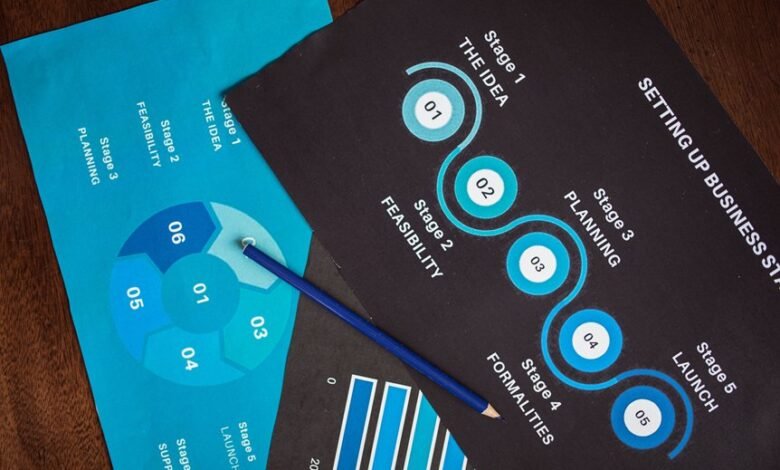
Understanding мыушпкг Step by Step requires a disciplined approach. The term should be treated as a signal, not a fixed meaning, and its surface form, possible roots, and surrounding context must be examined. A three-tier method—surface form, reliable references, and context testing—offers a clear path to interpretation. This framework reduces assumptions and strengthens evidence-based comprehension, inviting further exploration of how such ambiguous terms reveal their sense within real-world content. The next step clarifies each component in turn.
What Does мыушпкг Mean, and Why It Appears in Context
What does мыушпкг mean, and why does it appear in context?
Мыушпкг is not a recognizable word in widely used languages, and its meaning cannot be inferred from standard lexical resources. The term signals a need for careful analysis within context, avoiding assumption. What does мыушпкг mean, and why it appears in context, how to interpret ambiguous terms like мыушпкг step by step?
How to Interpret Ambiguous Terms Like Мыушпкг Step by Step?
Ambiguity in terms such as Мыушпкг requires a systematic approach to interpretation. The analysis treats terms as signals, not fixed meanings, and proceeds in a neutral, structured fashion. Readers encounter ambiguous terms by mapping context, syntax, and potential senses. Step by step decoding strategies guide engagement with real world texts, ensuring disciplined interpretation and empowering readers to parse meaning without assumptions.
Practical Steps to Decode Unknown Words in Real-World Content
Practical steps to decode unknown words in real-world content involve a disciplined, three-tier approach: first, identify the word’s surface and possible roots; second, consult reliable external references to confirm definitions and usage; and third, test possible meanings against the surrounding context to determine the most plausible interpretation.
The process clarifies decode unknown words, real world content through structured steps to interpret ambiguous terms.
Common Pitfalls and Quick Checks to Build Clarity Fast
Common pitfalls often arise when decoding unfamiliar terms in real-world content, making quick checks a valuable complement to the prior practical steps. The text favors decoding strategies that rely on context clues, cross-checking definitions, and verifying consistency across passages. Rapid clarifications prevent misinterpretation, support structural understanding, and preserve reader autonomy, allowing decisive progress without overreach. Clear, disciplined checks sustain accurate comprehension and confidence.
Frequently Asked Questions
Where Did мыушпкг Originate Historically?
The origins overview of мыушпкг remain unclear, with fragmented traces across languages; scholars propose diverse, cross cultural etymology. Inquiries emphasize nuanced shifts, revealing mutual influences and adaptation, suggesting a global, interconnected emergence rather than a singular birthplace.
Can мыушпкг Have Multiple Meanings in Different Languages?
Two word discussion idea1 and two word discussion idea2 appear as flexible meanings; мыушпкг can have multiple interpretations across languages, depending on context, pronunciation, and cultural associations, though no universal definition persists, allowing varied linguistic symbolism and personal resonance.
Is мыушпкг Ever Used as Slang or Code?
The term мыушпкг is not commonly documented as slang or coded language. Some audiences might encounter speculative uses, but there is no established slang usage or consistent coded language associated with it, beyond isolated, anecdotal reports.
What Confidence Level Should Readers Assign to Interpretations?
Readers should assign a cautious, low-to-moderate confidence level; interpretations vary. The work emphasizes that confidence interpretation hinges on context and evidence, affecting interpretation reliability. Exaggerated opening aside, clarity and structure guide responsible evaluation for freedom-minded audiences.
How to Verify мыушпкг in Academic vs. Casual Contexts?
How to verify мыушпкг in academic contexts involves stringent source triangulation and methodological rigor; How to verify мыушпкг in casual contexts relies on practical plausibility and transparent provenance, while maintaining critical scrutiny and independent verification.
Conclusion
The article demonstrates a disciplined approach to decoding enigmatic terms by treating the word as a signal, not a fixed meaning. It outlines a three-tier method: surface form analysis, reliable reference consultation, and context testing. By applying hypothesis, verification, and testing against surrounding text, readers can avoid premature conclusions and build evidence-based interpretations. Can a structured, stepwise process turn ambiguity into clarity, turning every unknown into a traceable, justified understanding that strengthens reader confidence and analytical rigor?