Distributed Telecom Infrastructure Analysis File – 2105200146, 4072584864, 111.90.150.204l, 9493175442, 18002280442

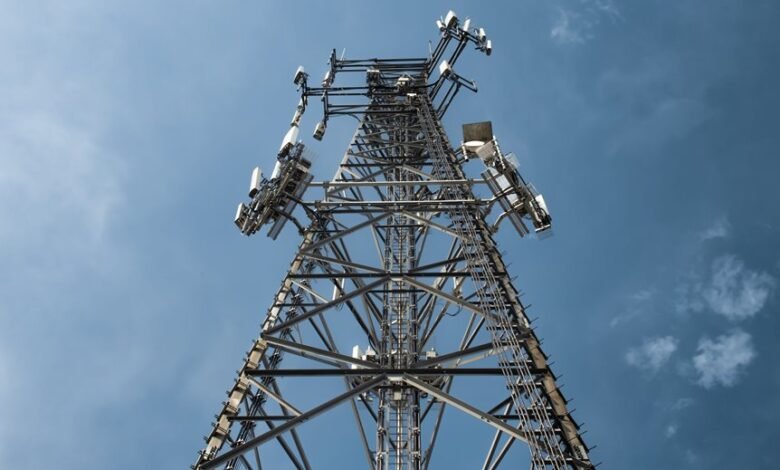
The distributed telecom infrastructure analysis file serves as a structured repository for cataloging network components, data flows, and performance outcomes. It outlines organization methods, captured metrics, and governance controls. It supports event correlation, bottleneck detection, and cost-aware planning. While it clarifies how insights drive reliability and capacity improvements, it also raises questions about privacy and interoperability that require careful consideration as a foundation is laid for future analysis.
What Is the Distributed Telecom Infrastructure Analysis File?
The Distributed Telecom Infrastructure Analysis File (DTIAF) is a structured repository that catalogs, analyzes, and tracks the components and performance of distributed telecom networks.
DTIAF documents data flows, asset inventories, and service outcomes, enabling stakeholders to assess reliability and reach.
It highlights privacy concerns, governance frameworks, metrics misalignment, and regulatory compliance, guiding transparent, freedom-friendly decision-making and accountable infrastructure development.
How the Data Is Organized and What Metrics It Captures
How is the data organized and which metrics are captured? The file structures metadata, time stamps, and hierarchical records for sites, links, and devices. Metrics include throughput, latency, uptime, error rates, capacity utilization, and maintenance windows. Privacy governance is enforced through access controls and data minimization. The architecture supports capacity optimization while preserving auditability and modular, scalable analysis.
Using the File to Improve Reliability, Capacity, and Cost
One key objective is to leverage the file’s organized metadata, time stamps, and hierarchical records to enhance reliability, capacity, and cost efficiency across the telecom network.
By systematically correlating events and performance, operators identify bottlenecks, prioritize maintenance, and reallocate resources.
The approach emphasizes optimizing latency and energy efficiency, enabling scalable deployment, reduced waste, and clearer decision pathways for network evolution.
Privacy, Security, and Governance Considerations for Operators and Policymakers
Privacy, security, and governance are essential considerations for operators and policymakers as distributed telecom infrastructures expand.
The analysis emphasizes robust privacy governance frameworks, risk-based security implications, and adaptive governance models.
It highlights data interoperability challenges, cross-border data flows, and interoperable standards.
Regulatory compliance requires transparent auditing, accountability, and proportional controls to balance innovation with citizen rights and public trust.
Frequently Asked Questions
How Often Is the File Updated and by Whom?
The file updates on a configurable basis, governed by an established data governance policy and update cadence. Updates are performed by designated custodians, with review checkpoints to ensure accuracy, consistency, and alignment with broader governance and operational standards.
Can End Users Directly Access the Data?
End users cannot directly access the data; access is controlled. Data latency concerns exist, as occasional delays may occur due to processing. The system prioritizes security and governance, balancing openness with protected, permissioned data sharing for freedom-minded stakeholders.
What Are the Licensing Terms for Use?
Dead on the table, licensing terms regulate who may use, copy, and share the data. The licensing scope determines permissible activities, while redistribution terms specify how derivatives may be circulated, ensuring freedom within defined boundaries.
How Is Data Provenance Verified and Tracked?
Data provenance is established through immutable logs and cryptographic hashes, enabling verifiable data lineage across stages. Data lineage is tracked via timestamped events, stakeholder attestations, and auditable metadata, ensuring integrity, reproducibility, and transparent accountability for independent evaluators.
Are There Audit Trails for Data Edits and Access?
Audit trails exist for data edits and access, ensuring transparency; access controls guard provenance, and data provenance remains traceable. A single bookmark in the logbook demonstrates rhythm: a traveler noting every gate, every step, every change.
Conclusion
The distributed telecom infrastructure analysis file consolidates data, clarifies relationships, and chronicles performance. It enables tracking, tracing, and tuning across assets, flows, and outcomes. It supports correlation, bottleneck detection, and informed decision-making. It promotes reliability, capacity planning, and cost optimization. It enforces privacy, governance, and interoperability, guiding operators and policymakers. It documents standards, shares insights, and informs investments. It provides auditable modularity, scalability, and transparency, shaping resilient networks, responsible governance, and sustained service continuity.